
A Joiner’s Guide to Choosing the Right Timber
When people ask me for a quote, one of the first questions is often: "Can we do it cheaper using different wood?" The answer is usually yes—but you’ll probably regret it.

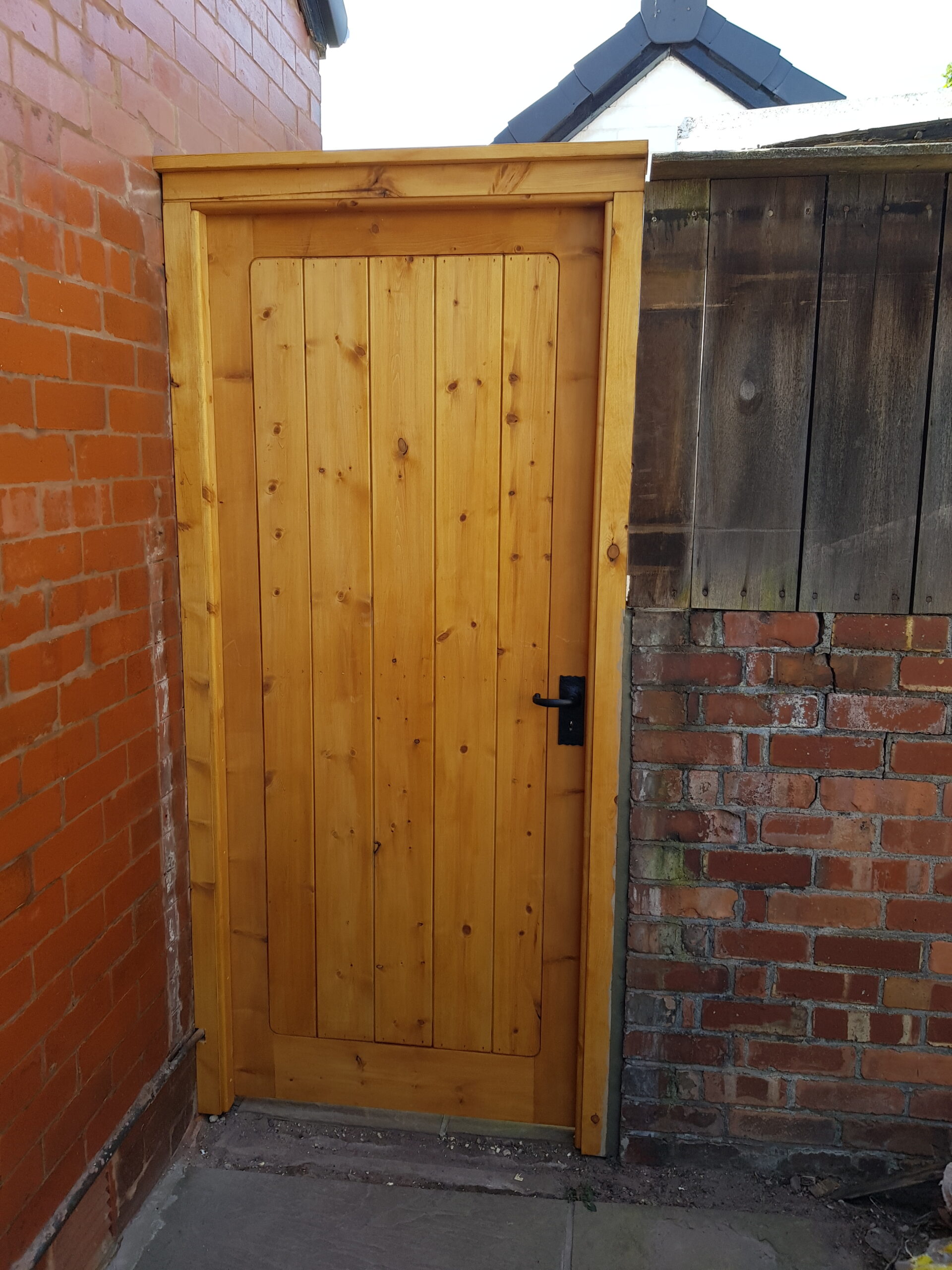
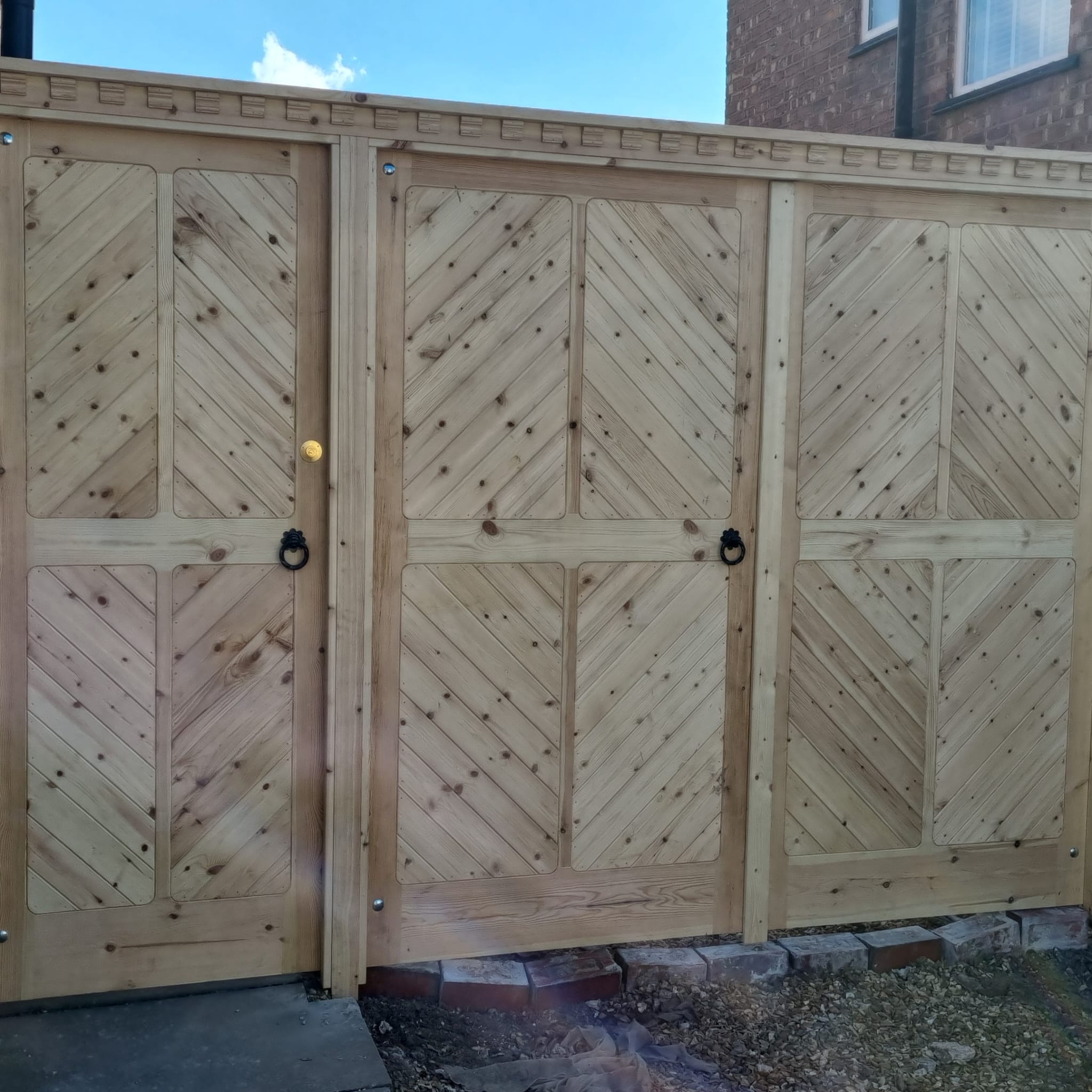

Wood is a living, breathing material. It reacts to heat, moisture, and sunlight. If you put the wrong timber in the wrong place, it will warp, rot, or split before the year is out. Here is a breakdown of what I consider before I even pick up a saw.
1. Softwood: The “Bread and Butter”
Don’t let the name fool you—softwood isn’t necessarily “soft.” It comes from coniferous trees (like Pine or Spruce).
Best for: Internal framing, skirting boards, and internal doors.
The Pro View: It’s cost-effective and easy to work with, but it’s thirsty. If you use standard softwood outside without treating it, it’ll soak up rainwater like a sponge and rot from the inside out.
2. Pressure-Treated (Tanalised) Wood
This is softwood that has been placed in a vacuum and infused with chemical preservatives.
Best for: Fence posts, decking joists, and anything in direct contact with the ground.
The Pro View: It’s essential for structural longevity outdoors. However, it’s not always pretty. If you want a high-end finish for a bespoke gate, we usually look toward hardwoods instead.
3. Hardwood: The “Gold Standard”
Hardwoods come from deciduous trees (Oak, Ash, Walnut, Iroko). They are denser, heavier, and naturally more durable.
Best for: External gates, high-end furniture, and “statement” kitchens.
The Pro View: This is where my “annoying” precision really matters. Hardwood is expensive, so you don’t want to waste a single millimetre. Oak is classic and strong; Iroko is oily and fantastic for the wet British climate because it naturally resists water.
4. Why the Environment Dictates the Wood
I’ve had clients ask for a solid Oak door in a bathroom with zero ventilation. I’ll usually advise against it. Why? Because the steam will cause that expensive Oak to expand and contract so much the door will eventually stick or warp.
In that environment, we might look at a stable composite or a specifically treated timber that can handle the humidity.
The Ross Approach: Suitability Over Price
I won’t just tell you “this is the cheapest wood, I’ll make it.” I’ll say: “Based on the sunlight this garden gets and the fact that these gates face the wind, this is the species you need.”
Choosing the right wood means the job only needs to be done once.
Recent Comments