
Why “Just a Screw” Doesn’t Exist: A Joiner’s Guide to Getting It Right
We’ve all seen it: a gate that’s sagging after six months, or a beautiful piece of oak ruined by a nasty black stain or a jagged split. Nine times out of ten, the culprit isn't the wood—it's the screw.

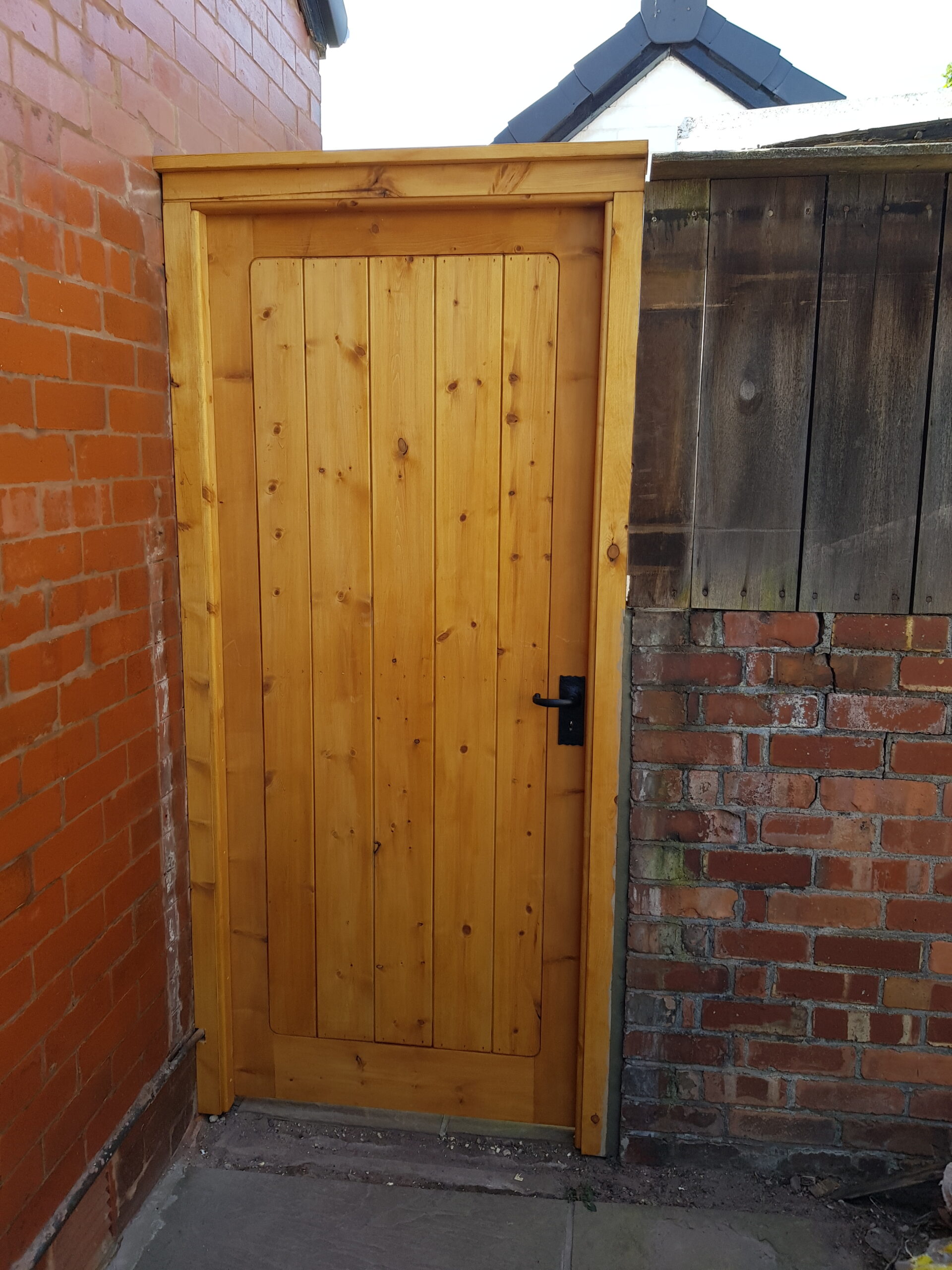
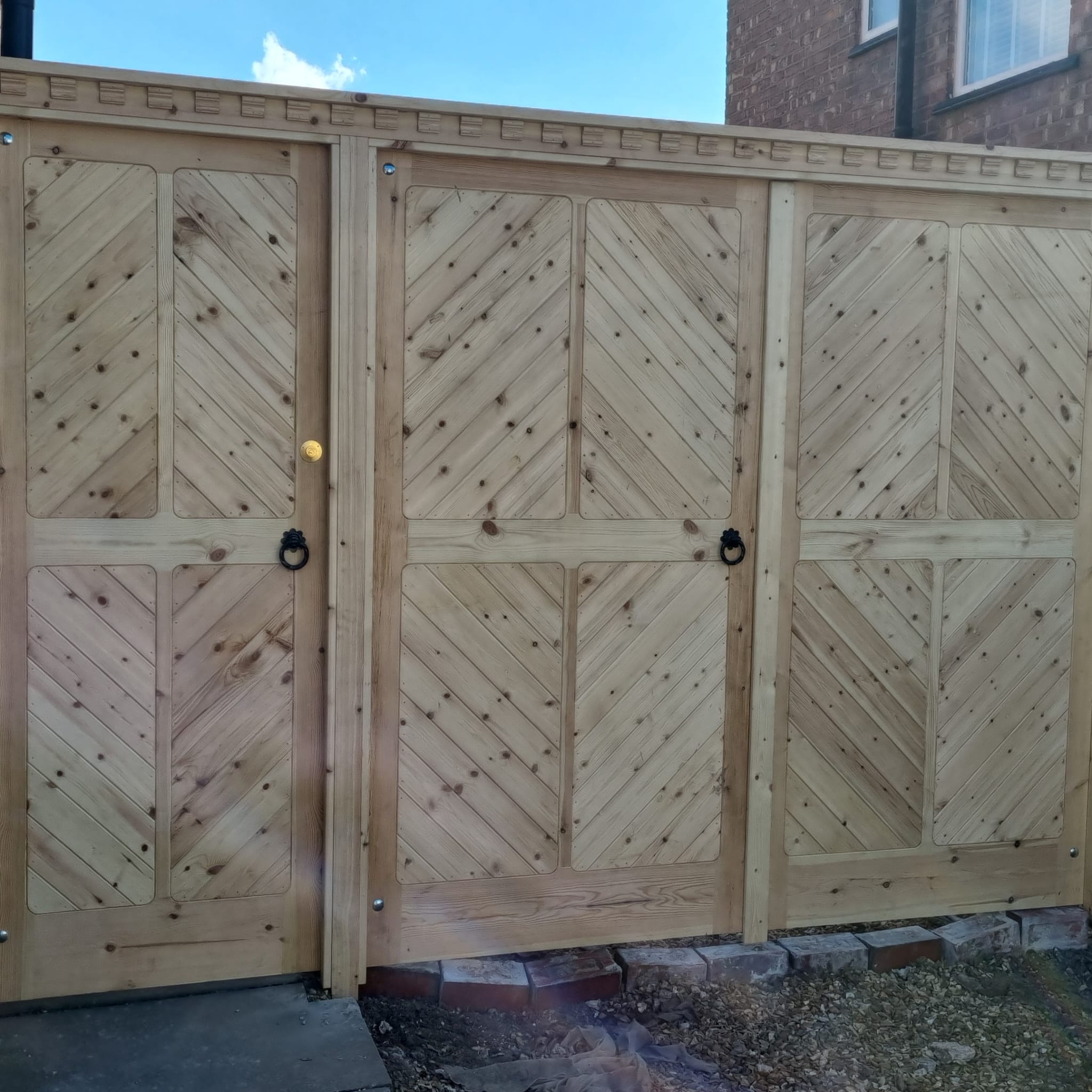

In 22 years of joinery, I’ve seen that the “simple” jobs often require the most technical thought. If you’re planning a bit of home DIY, here is why picking up any old box of screws from the shed is a recipe for disaster.
1. The Environment (Inside vs. Outside)
This is the big one. If you use standard zinc-plated screws for an outdoor gate, they will rust. Not only does the gate eventually fall apart, but the rust “bleeds” into the wood, leaving permanent black streaks.
The Pro Tip: For anything outside, you need Galvanised or Stainless Steel. They resist the British weather and keep the wood looking pristine.
2. Length Matters (The “Through-and-Through” Fail)
It sounds obvious, but you’d be surprised how many people forget to account for the thickness of both pieces of wood.
The Rule: You want the screw to be long enough to have “bite” in the second piece, but not so long that it pokes out the other side.
The Joiner’s Secret: For a strong joint, aim for the screw to go about two-thirds of the way into the receiving piece of wood.
3. Width and the “Splitting” Nightmare
If you use a screw that’s too thick without a pilot hole, you’ll split the grain of the wood. Once that grain is split, the structural integrity is gone. Choosing the right gauge (width) is a balance between strength and the delicacy of the timber.
4. It’s All About the Torque
Driving a screw isn’t just “point and press.” Your drill has different clutch settings for a reason. If you over-tighten a screw, you “strip” the wood fibers, meaning the screw is just sitting in a hole rather than gripping it.
The Ross Standard: I adjust the torque so the screw head sits perfectly flush with the surface—never buried too deep, never proud.
The Moral of the Story?
Even “simple” screwing is technical. It requires knowledge of wood density, moisture levels, and metallurgy.
If you’ve got a project that needs to stay together for the long haul—whether it’s a small repair or a custom build—don’t risk the “cheap screw” disaster.
Need a professional who obsesses over the details (even the screws)?
Recent Comments