
The Science of the “Perfect Fit”
There is a common misconception in joinery that if a door or a drawer fits perfectly on the day it's installed, the job is done. Actually, if I fit a bespoke gate or an internal door with zero gap in the middle of a dry summer, I can guarantee you’ll be calling me back in January because you can’t get it shut.

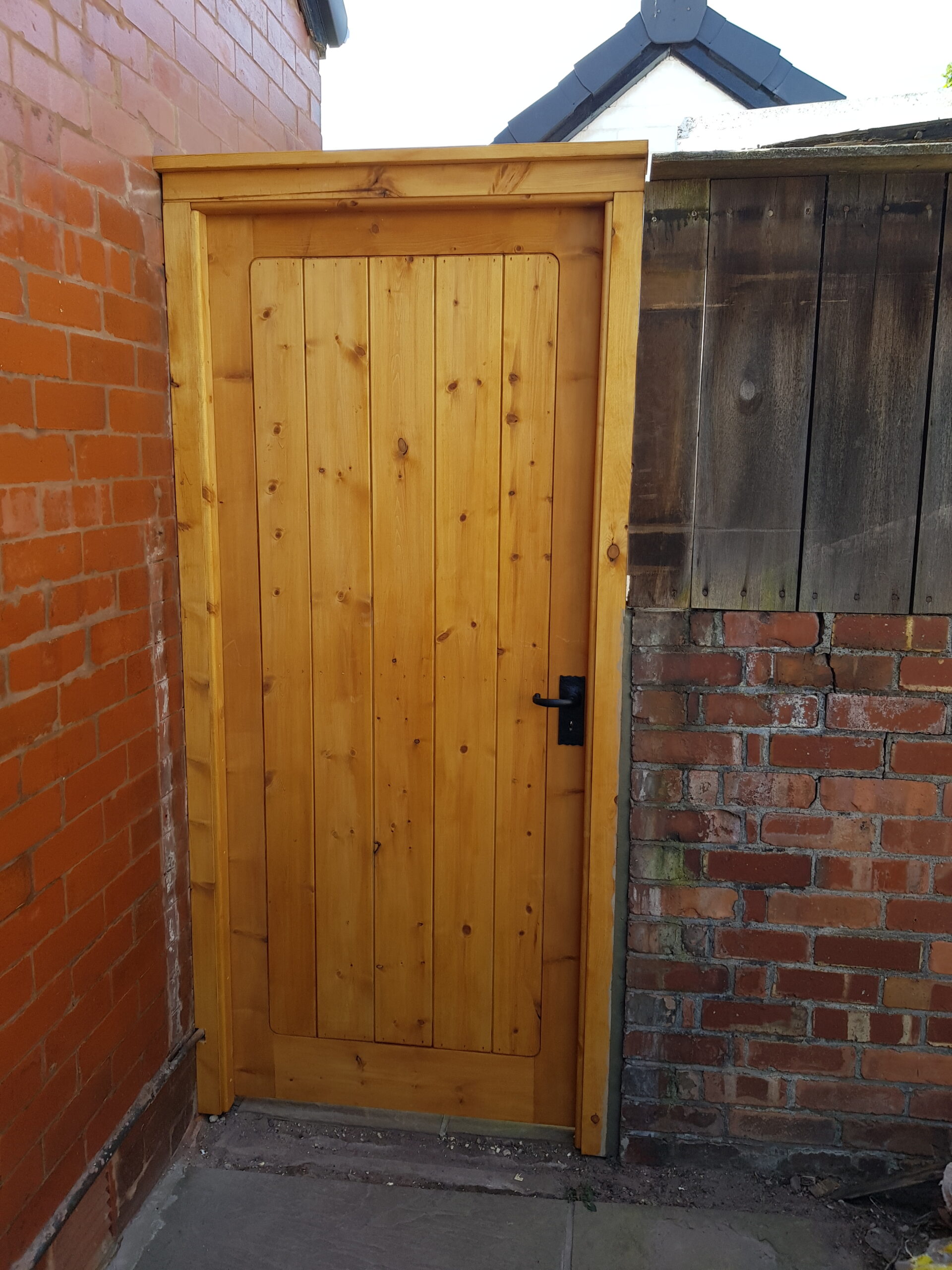
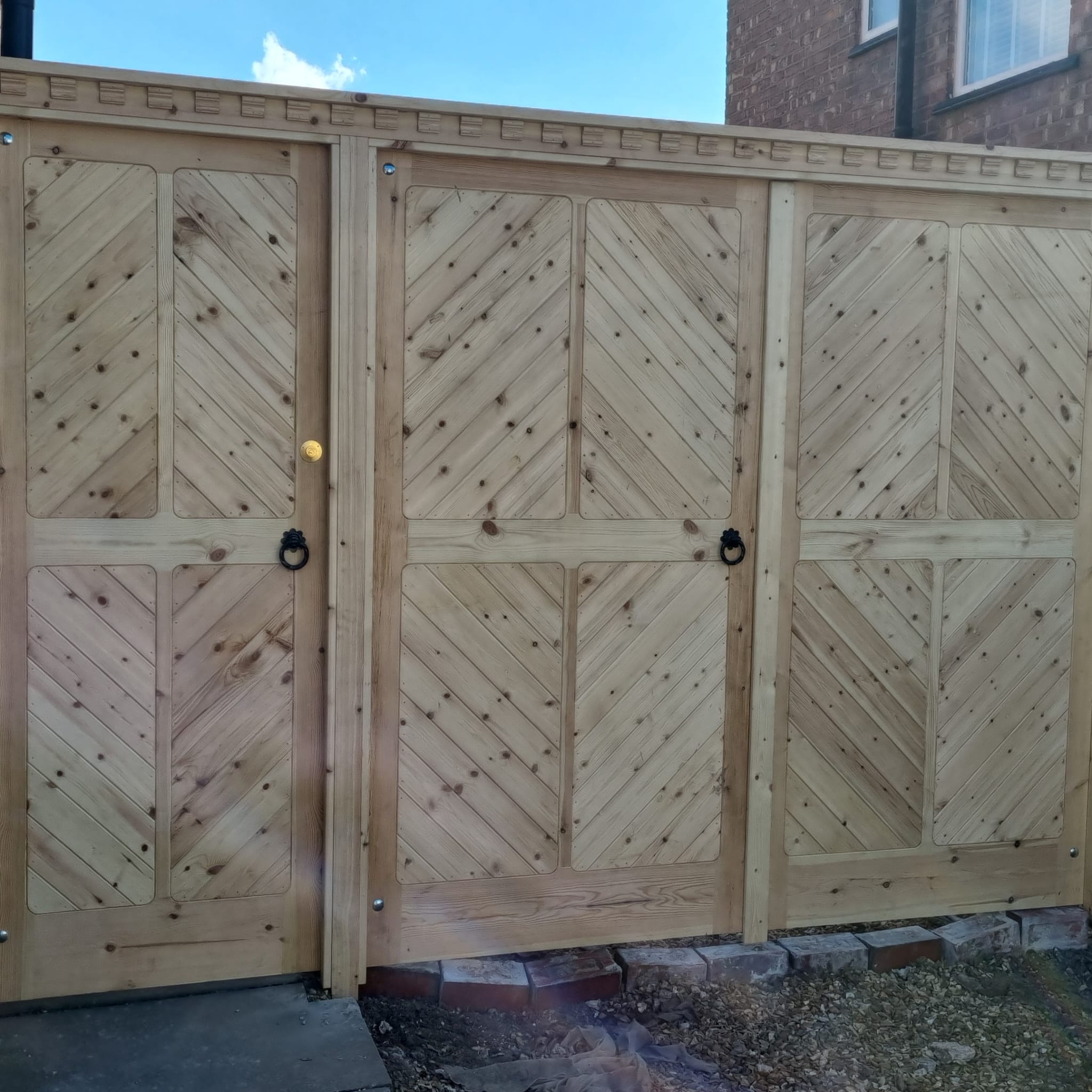

Wood is a Sponge
Even after it’s been cut, planed, and sanded, wood remains “hygroscopic.” This is a fancy way of saying it breathes. It absorbs moisture from the air when it’s humid (Winter) and releases it when the air is dry (Summer).
In Winter: The wood cells swell. Your doors grow slightly wider.
In Summer: The wood shrinks. Those gaps around your cupboards might look a bit larger.
The “Annoying” Millimetre
This is where 22 years of experience comes in. When I’m fitting a kitchen or hanging a set of heavy external gates, I’m not just looking at how it sits today. I’m calculating how much that specific type of wood is going to move over the next six months.
I leave what I call “expansion gaps.” To the untrained eye, it might look like a tiny gap that shouldn’t be there. To a professional joiner, it’s the reason your door will still open smoothly during a Merseyside downpour in the middle of November.
How to Help Your Joinery
While I build the “movement” into the design, you can help protect your wood too:
Seal Everything: This is why I insist on high-quality finishes. A good oil or paint acts as a barrier, slowing down how fast the wood absorbs moisture.
Consistent Heating: For indoor furniture and alcove units, try to keep your home at a relatively steady temperature. Radical swings in heat are what cause wood to warp or “cup.”
The Takeaway
If you hire a joiner who fits everything “tight” without accounting for the seasons, you’re buying a future headache.
I pride myself on precision, but it’s a functional precision. I make sure that whether it’s the hottest day of the year or the wettest, your joinery works exactly as it should.
Recent Comments